
 Japan
Travel Tools
Useful from the moment you arrive: check reference exchange rates or translate a local phrase.
Entry & Visa
Entry rules depend on your passport and purpose of travel. Some nationalities can visit Japan visa-free for a short tourist stay, while others need a visa before travel. Always check the Ministry of Foreign Affairs of Japan for the rule that applies to your passport.
Visa overview
Use Japan’s Ministry of Foreign Affairs visa information to confirm whether you need a visa, the permitted stay and the documents required for your nationality.
Passport requirements
Travel with the passport that meets Japan’s current entry requirements and keep enough validity for your trip and onward travel. Airlines and transit countries may apply additional document checks.
eVisa / Visa on arrival
Japan has online visa procedures for eligible applicants in supported locations, but availability depends on nationality and residence. Use only official Japanese government channels.
Arrival requirements
Visit Japan Web is the Japanese Digital Agency service for online immigration/customs arrival procedures. It is not a visa and does not replace any visa requirement.
Money & Payments
Cards and contactless payments are common in cities, hotels, convenience stores and major retailers, but cash is still useful for smaller businesses, temples, rural areas and some ticket machines. ATMs that accept international cards are widely available; check your own bank’s foreign transaction and withdrawal fees. Keep a backup payment method separate from your main wallet.
Related reading
How to Use Wise When TravellingLanguage & Communication
Japanese is the main language. English signage is common at major airports, railway stations and popular visitor areas, but spoken English varies. Learning a few basic Japanese phrases and keeping addresses or destination names in Japanese can make taxis, restaurants and smaller towns easier to navigate.
SIM, Internet & Connectivity
Prepaid data SIMs, eSIMs and pocket Wi-Fi are widely used by visitors. Check that your phone is unlocked and eSIM-compatible before buying. Major stations, airports, hotels and many cafés provide Wi-Fi, but having your own mobile data is more reliable for maps and transport planning.
Need mobile data in Japan?
Explore travel eSIM plans for Japan and find an option that suits your trip.
Explore Japan eSIM PlansPartner link · We may earn a commission.
Electricity & Plugs
Getting Around
Rail and metro systems are the backbone of travel in major Japanese cities, with extensive intercity rail and domestic flight networks for longer distances. Rechargeable IC cards can simplify many local rail, metro, bus and convenience-store payments where supported. For rural itineraries, compare trains and buses with car rental because public transport frequency can be lower outside major corridors.
Safety & Emergency
Japan is generally straightforward for travellers, but normal precautions still apply: protect valuables, follow local disaster instructions and pay attention to weather, earthquakes and transport disruptions. For urgent help call 110 for police or 119 for fire/ambulance. JNTO also operates a 24-hour visitor hotline for tourist information and assistance.
Emergency numbers: Police 110 · Fire/Ambulance 119
Health & Practical Information
Travel insurance is sensible because visitors may need to pay for medical treatment and claim from their insurer. Carry enough prescription medicine and verify Japan’s rules before bringing restricted medicines. In summer, heat and humidity can be significant; hydration and heat precautions are important during long days outdoors.
Related reading
Travel Insurance: Find the Right Cover for Your TripTravel Costs
Mid to high
Japan can be managed across a wide range of budgets. Accommodation and long-distance transport usually have the biggest effect on total cost, while convenience-store meals, casual restaurants and public transport can keep everyday spending controlled. Prices rise during major holiday periods and peak seasons, so book high-demand routes and accommodation earlier.
Culture & Etiquette
Queue neatly, keep voices low on public transport and follow posted rules for temples, shrines, baths and other shared spaces. Tipping is generally not expected. Remove shoes when requested, avoid blocking busy pedestrian areas with luggage and follow local waste-sorting or carry-out practices when public bins are limited.
Climate / When to Visit
Japan has four distinct seasons, but conditions vary substantially from snowy Hokkaido to subtropical Okinawa. Spring and autumn are popular for milder weather; summer is hot and humid across much of the country and overlaps with typhoon season, while winter brings snow to northern and mountain regions. Choose timing based on the specific cities and activities in your itinerary.
Useful Links
Guides to Japan
Japan Travel Guide for First-Time Visitors
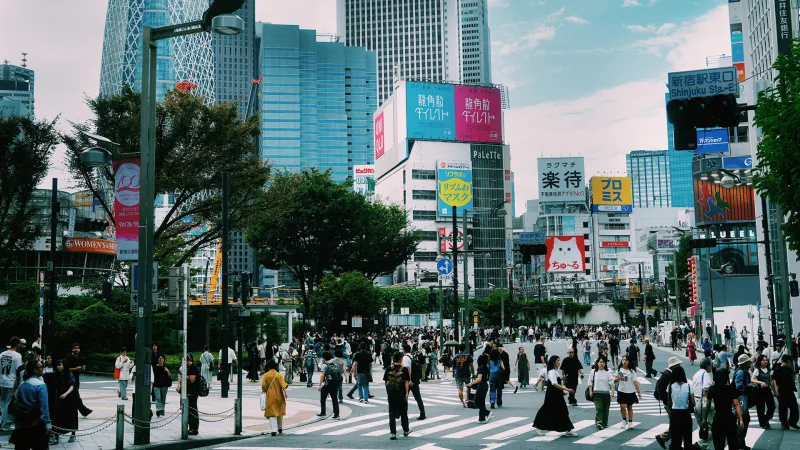
Planning your first trip to Japan? This detailed guide takes you from choosing destinations and checking entry requirements to navigating airports, trains, hotels, payments and local customs. Learn how to avoid common mistakes, compare travel options and build a realistic itinerary that leaves time to enjoy the places you visit.
Read Guide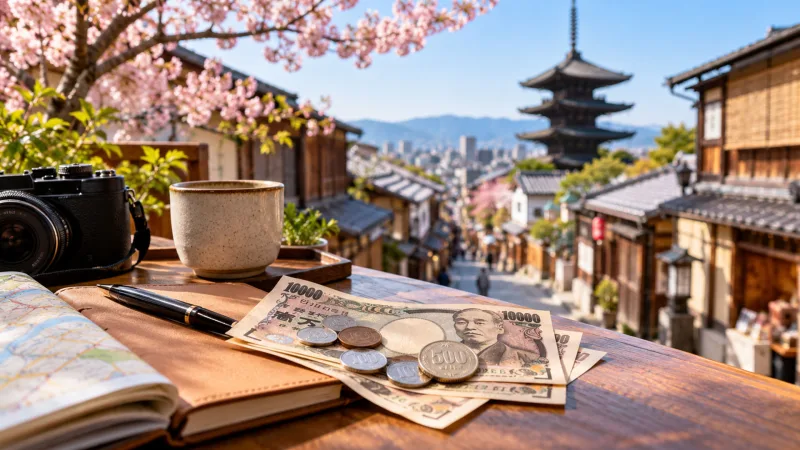
Japan Travel Costs & Practical Tips
How much should you budget for Japan, and where is it worth spending more? From hotels and Shinkansen tickets to local food, transport passes and everyday payments, this guide helps you understand what affects travel costs. It includes verified price examples and realistic situations to help you spend thoughtfully without missing the experiences you came for.
Read Guide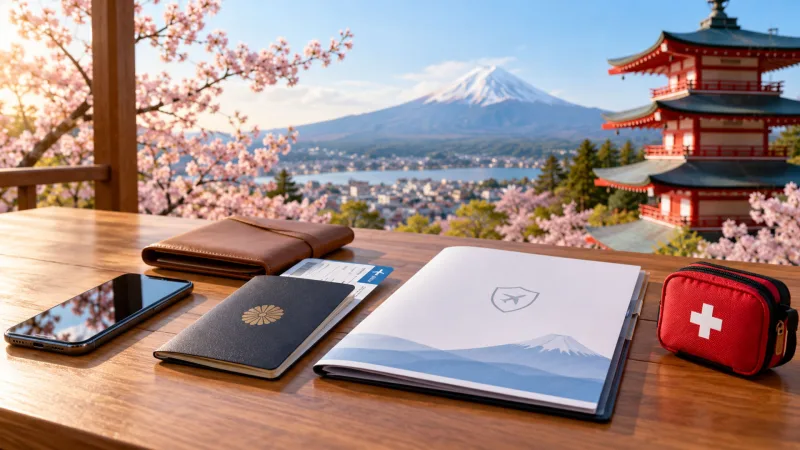
Travel Insurance for Japan
Do you need travel insurance for Japan, and what should a good policy actually cover? This practical guide explains medical expenses, emergency assistance, trip disruption and common exclusions. Learn how insurance payments work in Japanese hospitals, what to check before buying and how to get help if something goes wrong during your visit.
Read GuideFrequently Asked Questions
Do I need a visa for Japan?
It depends on your nationality, passport and purpose of travel. Japan has visa-exemption arrangements for some short-stay visitors; check the Ministry of Foreign Affairs of Japan before booking around a specific entry assumption.
Is Visit Japan Web a visa?
No. Visit Japan Web is an official online service for arrival procedures such as immigration and customs. Any visa requirement is separate.
Is Japan mostly cashless?
Cards and contactless payments are widespread, especially in cities, but carrying some yen is still useful for smaller businesses, rural areas and machines that may not accept your card.
What is the easiest way to get around Japan?
For most city and intercity itineraries, trains and metros are the easiest starting point. Rural routes may require buses or a rental car, so plan the transport mode around the exact places you want to visit.
What numbers should I use in an emergency?
Call 110 for police and 119 for fire or ambulance. JNTO also operates a 24-hour visitor hotline for tourist assistance and information.

 India

 Vietnam

 South Korea

 Indonesia