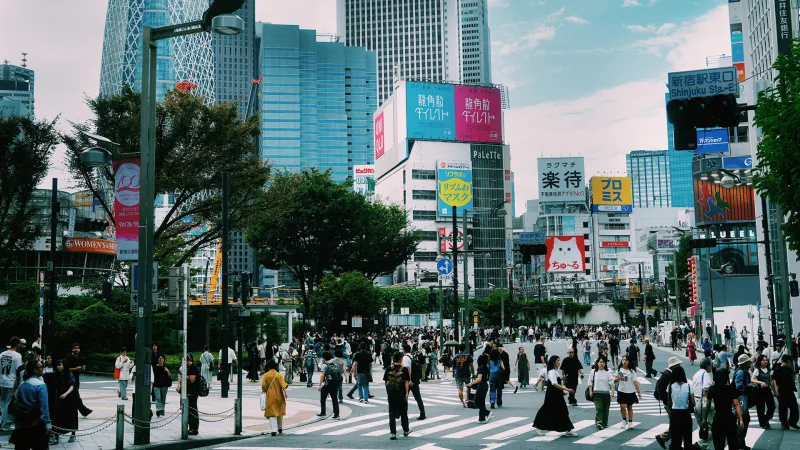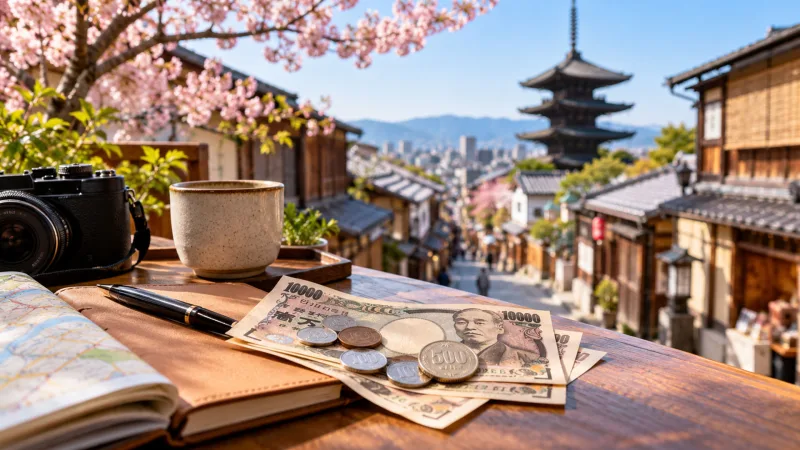

Nobody plans a holiday to Japan expecting to spend time in a hospital. You're probably thinking about Kyoto's temples, Tokyo's neighbourhoods, beautiful landscapes and all the food you want to try. But even a well-planned trip can take an unexpected turn. You might become ill, injure yourself while exploring or need to change your journey because of an emergency. That's why travel insurance deserves a little attention before departure. The aim isn't to worry about everything that could go wrong. It's to make sure you know what help is available if you need it—and that one difficult day doesn't become a much bigger financial problem.
Is travel insurance required for Japan?
Travel insurance is not generally a compulsory entry requirement for ordinary tourists visiting Japan. However, the Japan National Tourism Organization and Japan's Ministry of Health, Labour and Welfare strongly recommend obtaining private medical insurance with sufficient coverage. Japan has advanced medical facilities, but international visitors should not assume that treatment will be free or covered by their health insurance at home. If you become ill or injured, you may have to pay the full cost of treatment yourself. Serious medical care can be particularly expensive, especially when hospitalisation or transportation is involved. Adequate insurance can help protect you from these costs, provided the treatment falls within your policy's conditions.
Can you buy travel insurance after arriving in Japan?
Yes. Some travel insurance policies can be purchased after you have already arrived in Japan. The Japan National Tourism Organization confirms that post-arrival insurance options are available for international visitors. However, not every policy can be purchased after departure, and the protection offered may differ from insurance arranged before your trip. Before buying, check when coverage begins, whether any waiting periods apply, what medical expenses are included and whether existing conditions or planned activities are covered. A newly purchased policy should not be assumed to cover an illness, accident or disruption that happened before its coverage started. If you are already in Japan without insurance, consult the official Japanese visitor guidance and carefully review the insurer's conditions before purchasing. Whenever possible, arrange insurance before leaving home, particularly if you also want protection for pre-departure cancellations or travel disruptions.
Japan National Tourism Organization — Travel Insurance in Japan →
What should your Japan travel insurance cover?
A useful travel policy should reflect your actual itinerary, rather than simply offering the longest list of advertised benefits. For a typical holiday involving cities, trains and sightseeing, emergency medical coverage is the priority. You may also want protection for cancellation, interrupted travel, lost belongings and unexpected changes to your return journey. If you're heading into the mountains, skiing in Hokkaido or hiking in remote areas, activity-specific cover becomes especially important. Compare these benefits before choosing a policy.
| Coverage | Why it matters | What to check |
| Emergency medical treatment | Helps with eligible illness, accidents and hospital care | Medical limit, exclusions, excess and payment arrangements |
| Medical evacuation and repatriation | May cover medically necessary transport or a journey home | Approval requirements, limits and covered circumstances |
| Trip cancellation | May reimburse eligible prepaid, non-refundable costs if you cannot travel | Covered reasons and when protection begins |
| Trip interruption | May help if you must cut your holiday short for a covered reason | Additional transport and unused booking coverage |
| Baggage and belongings | May cover eligible lost, stolen or damaged belongings | Item limits, depreciation and reporting requirements |
| Adventure or winter sports | May cover specified activities outside ordinary sightseeing | Exact activities, rescue costs and excluded conditions |
You don't necessarily need the policy with the largest advertised benefits or the most expensive premium. What matters is whether the benefits apply to your trip and whether the limits are suitable. Read the policy wording carefully, including the excess—the amount you may need to pay towards an eligible claim—and any restrictions on particular activities. There is no single insurance coverage amount that suits every traveller. Medical needs, trip duration, activities and personal circumstances all affect what is appropriate.

How medical payments work in Japan
Imagine you're spending a few days in Tokyo and develop a painful ear infection. You visit a clinic, receive treatment and are given a prescription. Having insurance doesn't automatically mean you can leave without paying. Some insurers arrange direct billing with participating medical facilities. This is sometimes called cashless medical service, although it still depends on insurer approval and the facility's arrangements. Other policies require you to pay the clinic or hospital yourself, keep the receipts and submit a reimbursement claim afterward. Japan's official visitor guidance explains that payment arrangements can differ between hospitals and clinics, and smaller facilities may not accept every payment card.
What if you're skiing, hiking or exploring remote Japan?
Japan has excellent opportunities for outdoor travel, from Mount Fuji and the Japanese Alps to winter sports in Hokkaido and Nagano. However, standard travel insurance doesn't necessarily cover every activity. Skiing within resort boundaries, off-piste skiing, backcountry snowboarding and mountaineering may fall into different insurance categories. Mountain search and rescue, helicopter evacuation and certain high-risk activities may also require additional protection. Before booking an outdoor experience, confirm that the policy explicitly covers what you plan to do. For example, a traveller skiing on marked resort slopes may have different insurance needs from someone joining a guided backcountry tour. Check the activity's exact conditions and whether specialist coverage is necessary.
The exclusions travellers often overlook
Many insurance misunderstandings happen because travellers assume a policy covers an event simply because it happened during a holiday. In reality, coverage depends on the policy wording and the reason for the claim.
- Pre-existing medical conditions: Existing physical or mental health conditions, ongoing investigations or treatment may need to be declared and specifically covered.
- Pregnancy-related care: Routine care, childbirth and complications may have different eligibility rules or exclusions.
- Adventure activities: Skiing, mountaineering, diving and other activities may require additional cover.
- Alcohol-related incidents: Claims involving excessive alcohol or prohibited substances may be excluded.
- Known disruptions: A cancellation caused by an event already known when you purchased the policy may not be covered.
- Unattended belongings: Leaving valuables unsecured can affect theft or baggage claims.
- Trip duration: Annual insurance may limit the length of each individual journey.
What about earthquakes, typhoons and cancelled trains?
Japan experiences earthquakes, typhoons and periods of heavy rain that can interrupt transport and travel plans. However, travel insurance does not automatically pay for every cancellation or delay. For example, if severe weather causes your train to be cancelled, the railway operator's own refund or rebooking arrangements may apply first. Insurance may provide additional protection only when the disruption meets a covered reason and any waiting-period or other conditions. The same applies to flights, accommodation and missed connections. If you're concerned about natural disasters, check exactly which travel-disruption circumstances your policy includes. Purchasing cover before a storm becomes a known event can matter. Keep disruption notices and receipts, and contact your airline, railway operator or accommodation provider about available refunds before making an insurance claim.
What to do if you need medical help in Japan
- Get medical help first. In a serious emergency, call 119 for an ambulance.
- Contact your insurer's assistance service as soon as reasonably possible, particularly before non-emergency hospital treatment or costly arrangements.
- Ask about direct payment. Your insurer may be able to refer you to a suitable medical facility and arrange billing.
- Keep your documents. Save medical reports, prescriptions, itemised bills and receipts.
- Confirm follow-up arrangements. Ask whether you need insurer approval for further treatment or changes to your return journey.
- Submit your claim correctly. Follow the insurer's requirements and deadlines, keeping copies of everything you provide.
Language can make medical situations more stressful. Japan has facilities that assist foreign patients, but English-language services are not available everywhere. The Japan National Tourism Organization provides a searchable guide to medical facilities and information about obtaining treatment. Your insurer's assistance service may also help you find appropriate care or arrange interpretation, depending on the policy. For visitor assistance, the Japan Visitor Hotline operates around the clock in English, Chinese and Korean at 050-3816-2787. It provides support for emergencies and travel difficulties, but it does not replace an ambulance or your insurer.
Need help communicating in Japanese?
TravelGoCo's Travel Translator can help you translate simple phrases and everyday questions between English and Japanese. For medical explanations, important decisions or emergencies, request assistance from a qualified interpreter or your insurer's assistance service rather than relying solely on automatic translation.
A quick checklist before buying insurance
- Confirm that Japan is included in the geographical coverage.
- Check that all travel dates, including any overnight transit or extension, are covered.
- Compare emergency medical limits and medical evacuation benefits.
- Review any existing medical conditions and disclosure requirements.
- Check skiing, hiking, diving or other planned activities.
- Understand cancellation, interruption and natural-disaster exclusions.
- Confirm the excess and whether medical bills can be paid directly.
- Check whether existing credit-card insurance already provides suitable cover.
- Save the policy number, assistance contacts and claims instructions.
- Keep digital and offline access to your insurance documents.
If your credit card includes travel insurance, read its actual policy terms before relying on it. Some benefits require you to pay for certain travel arrangements with the card, while others have limited medical coverage or exclusions. It is usually easier to resolve questions about coverage before departure than while you're sitting in a hospital or trying to rearrange your journey.
Travel with confidence, not unnecessary worry
Japan is a wonderful place to explore, and worrying about emergencies shouldn't overshadow the experience. Good travel insurance is about being prepared for the unexpected. It won't prevent illness, lost belongings or travel disruptions, but suitable coverage and a dependable assistance service can make those situations easier to manage. Choose a policy that genuinely fits your plans, understand how to use it and keep the important contact details close. Then you can spend more of your time enjoying Japan—and less time wondering what might happen if something goes wrong.
Japan National Tourism Organization — Travel Insurance Advice →
Find Medical Assistance in Japan →