
 India
Travel Tools
Useful from the moment you arrive: check reference exchange rates or translate a local phrase.
Entry & Visa
Most foreign visitors need a valid passport and an appropriate Indian visa or eVisa unless they are covered by a specific exemption or other eligible status. India’s official visa portal should be used to determine the correct category for your nationality and trip.
Visa overview
India offers eVisa categories to eligible nationalities and purposes, including tourism. Eligibility, application windows, permitted entry points and stay conditions vary, so check Indian Visa Online rather than relying on a third-party visa site.
Passport requirements
Use the passport connected to your visa/eVisa and check validity, blank-page and onward/transit requirements before travel. Requirements can vary with visa type and nationality.
eVisa / Visa on arrival
Eligible travellers can apply through the official Government of India eVisa portal. Visa on arrival is limited to specific eligible situations and should not be assumed.
Arrival requirements
The official Indian Visa Online portal currently directs foreign nationals and OCI/eOCI cardholders to complete an e-Arrival Card. Check the portal immediately before travel for the current timing and procedure.
Money & Payments
The Indian rupee is used nationwide. Cards and digital payments are common in cities and organised businesses, while cash remains useful for small shops, local transport and rural areas. International travellers should keep more than one payment option because foreign-card acceptance and access to local mobile-payment systems can vary.
Related reading
How to Use Wise When TravellingLanguage & Communication
India is multilingual. Hindi and English are widely used in many travel contexts, while each region may have one or more important local languages. English is common in airports, hotels and many tourism businesses, but basic local-language phrases can be helpful outside major visitor centres.
SIM, Internet & Connectivity
Mobile data coverage is extensive, with several major network operators. Tourist SIM/eSIM availability and activation requirements can depend on the provider and documentation, so check current rules at an authorised outlet. Airport and hotel Wi-Fi is common, but mobile data is useful for maps, ride-hailing and train or flight updates.
Electricity & Plugs
Getting Around
India combines domestic flights, one of the world’s largest railway networks, intercity buses, metro systems, taxis, auto-rickshaws and app-based transport. Distances can be much larger than they appear on a map, so avoid overloading an itinerary. Reserve popular long-distance trains and flights in advance when dates are fixed.
Safety & Emergency
Travel conditions differ by state and city. Use normal precautions with valuables, transport and late-night movement, and pay attention to local weather, crowd-control and regional advisories. The national emergency number is 112; the Ministry of Tourism also operates the 24/7 multilingual tourist helpline on 1363 / 1800-11-1363.
Emergency numbers: National emergency 112 · Tourist helpline 1363
Health & Practical Information
Travel insurance with medical cover is strongly worth considering, especially for multi-city trips. Heat, air quality, food hygiene, water quality and mosquito-borne illness risks vary by region and season. Seek destination-specific medical advice before travel if vaccinations, medication or health conditions are relevant to your itinerary.
Related reading
Travel Insurance: Find the Right Cover for Your TripTravel Costs
Budget to mid-range
India can be inexpensive for local food and transport, but total trip cost varies sharply with hotel standard, domestic flights, private drivers and premium experiences. Large cities and peak holiday periods can be substantially more expensive. Build the budget by city and route rather than using one national daily figure.
Culture & Etiquette
Dress and behaviour expectations vary by place, but modest clothing is appropriate at many religious sites. Remove footwear where required, ask before photographing people or ceremonies and use the right hand when appropriate for giving or receiving items. Public displays and alcohol rules can vary by state and setting.
Climate / When to Visit
India spans tropical, desert, mountain and temperate climates. The best period depends heavily on region: northern plains, the Himalayas, western deserts, southern coasts and monsoon-affected areas all have different seasonal patterns. Check weather for each stop rather than relying on a single “best time for India.”
Useful Links
Guides to India
See all India Guides →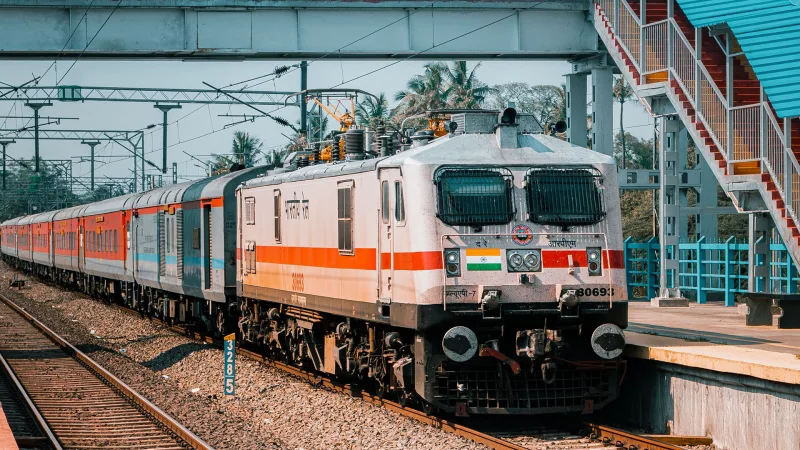
Frequently Asked Questions
Do I need a visa to visit India?
Most foreign visitors need an appropriate visa/eVisa unless they qualify for a specific exemption or status. Check Indian Visa Online for your nationality and purpose of travel.
Where should I apply for an Indian eVisa?
Use the official Government of India eVisa website at indianvisaonline.gov.in. Avoid unofficial sites that present themselves as the government service.
Do travellers need an arrival form for India?
The official visa portal currently instructs foreign nationals and OCI/eOCI cardholders to submit an e-Arrival Card. Recheck the official portal before departure because procedures can change.
Should I carry cash in India?
Yes. Cards and digital payments are common, but cash is useful for small businesses and local transport. Keep a backup card and avoid relying on one payment method.
What number should I call in an emergency?
112 is the national emergency number. Travellers can also use the Ministry of Tourism multilingual tourist helpline on 1363 or 1800-11-1363.

 Vietnam

 South Korea

 Indonesia

 Thailand