
 Italy
Travel Tools
Useful from the moment you arrive: check reference exchange rates or translate a local phrase.
Entry & Visa
Italy is part of the Schengen Area, which shares common short-stay entry rules with other participating European countries. Whether you need a visa depends on your nationality, travel document, residence status and reason for visiting.
Many non-EU travellers who qualify for visa-free entry may stay for up to 90 days within any 180-day period across the Schengen Area as a whole—not 90 days separately in each country. Travellers who require a visa must obtain the appropriate authorisation before departure.
Border officials may request evidence of accommodation, sufficient funds and onward or return travel arrangements.
Since April 2026, the EU Entry/Exit System (EES) has been fully operational. It digitally records entry and exit information for applicable non-EU short-stay travellers, including biometric information.
ETIAS is a separate future travel-authorisation system for eligible visa-exempt visitors. As checked on 14 October 2026, it is not yet accepting applications.
Check official requirements shortly before travelling, especially if your journey includes several Schengen countries.
Visa overview
Italy follows the Schengen Area's common short-stay visa framework.
Citizens of EU countries generally travel under EU free-movement rules. Eligible travellers from certain non-EU countries may visit without a short-stay visa, normally subject to the Schengen 90-days-in-180-days limit. Other travellers must obtain a Schengen short-stay visa before departure.
A Schengen visa may allow travel to multiple participating countries, but you must follow its validity, permitted duration, entry conditions and purpose.
For stays exceeding 90 days, or travel involving employment, study or residence, different Italian national visa and immigration requirements may apply.
Use Italy's official Ministry of Foreign Affairs visa information to determine your requirements. A visa does not guarantee admission if other entry conditions are not satisfied.
Passport requirements
For most non-EU travellers entering under the Schengen short-stay rules, the passport must have been issued within the previous 10 years and remain valid for at least three months after the intended departure from the Schengen Area.
Special rules may apply to EU citizens, certain family members, residence-permit holders and other categories of travellers.
Ensure your travel document is in good condition, has the necessary validity and meets the requirements of any countries you transit through.
Children must also have their own appropriate travel documents.
Keep accessible copies of important bookings and passport details, while protecting the original document.
eVisa / Visa on arrival
Italy does not operate a general tourist visa-on-arrival scheme for travellers who require a Schengen visa.
If your nationality requires a visa, arrange it through the appropriate Italian embassy, consulate or authorised application process before travelling.
Some application stages may be completed online, but an online application form or appointment system is not the same as an automatically issued eVisa.
Eligible visa-exempt visitors should also be aware of ETIAS. As of 14 October 2026, ETIAS is not yet operational and applications are not being collected.
ETIAS is a travel authorisation, not a Schengen visa. Check the official EU portal for its actual launch date and eligibility requirements before travelling.
Arrival requirements
Italy does not currently require every tourist to complete a separate general-purpose online arrival card comparable to those used by some Asian destinations.
However, non-EU short-stay visitors covered by the EU Entry/Exit System undergo applicable digital border registration when entering or leaving the Schengen Area through an external border. This can include passport information, a facial image and fingerprints.
Travellers who enter Italy from another Schengen country may also need to comply with Italy's declaration-of-presence rules. Hotels and other registered accommodation providers generally report guest details; travellers staying privately should check whether they must make their own declaration to the authorities.
ETIAS is not an arrival form and, at the verification date, remains unavailable for applications.
Follow the latest instructions from Italian immigration authorities and your accommodation provider.
Money & Payments
Italy uses the euro (€). Credit and debit cards are widely accepted at hotels, supermarkets, larger shops and restaurants, and contactless payment is common in cities.
Still, it is sensible to carry some cash. Small cafés, market stalls, rural businesses and older ticket machines may not always accept your preferred card. Keep a few smaller notes and coins for everyday purchases rather than relying entirely on large denominations.
ATMs are readily available in towns and cities, although withdrawal charges depend on your bank and the machine operator. When offered a choice of currencies, paying or withdrawing in euros generally avoids the merchant's own conversion markup.
Tipping is appreciated but not obligatory in most situations. Restaurants may include a coperto (cover charge) or service charge, so check the menu and bill before adding anything extra.
Related reading
How to Use Wise When TravellingLanguage & Communication
Italian is the main language used throughout the country. English is commonly spoken in international hotels, major attractions and busy tourist areas, but it becomes less dependable in smaller towns and rural communities.
Some regions have their own linguistic character. German is widely used alongside Italian in South Tyrol, French has official standing in Aosta Valley, and Slovene is recognised in parts of northeastern Italy. Numerous regional languages and dialects are also part of everyday life.
A few Italian expressions can make ordinary interactions easier. Buongiorno means good morning or good day, per favore means please, and grazie means thank you.
Keep hotel addresses and transport destinations written down. Translation tools are useful, but important arrangements are best confirmed directly when possible.
SIM, Internet & Connectivity
Italy has widespread mobile coverage in cities, towns and established tourist destinations. Visitors can use international roaming, a local prepaid SIM or a compatible travel eSIM.
Travellers with eligible mobile plans from other EU or EEA countries can generally benefit from the EU's Roam Like at Home rules, subject to fair-use limits and their provider's conditions. Visitors using plans from outside the covered countries should check roaming charges before enabling mobile data.
If buying a local SIM, expect identity checks and have your passport or another accepted identification document available. eSIM availability depends on your phone and the provider.
Hotels, cafés and many public places offer Wi-Fi, but signal quality and access arrangements vary.
Mobile coverage can become less reliable in Alpine valleys, remote countryside and isolated coastal areas. Download maps and transport information before travelling somewhere with limited connectivity.
Electricity & Plugs
Getting Around
Italy's high-speed rail network makes travelling between major cities such as Rome, Florence, Bologna, Milan and Naples relatively straightforward. Trenitalia and Italo operate services on important intercity routes, while regional trains connect many smaller destinations.
Book high-speed tickets with your intended departure time in mind. Regional tickets follow different rules: Trenitalia's current digital regional tickets validate automatically at the selected departure time, while ordinary paper regional tickets generally require validation before boarding.
Cities have their own transport systems. Rome and Milan have metro networks, Florence relies heavily on walking, buses and trams, and Venice's historic centre is explored on foot or by water transport.
A car can be useful in rural Tuscany, parts of Puglia or less accessible countryside, but it is often inconvenient in historic cities. Many centres have restricted-traffic zones known as ZTLs, where unauthorised vehicles can receive fines.
For Sicily, Sardinia and smaller islands, compare flights, ferries and onward transport carefully. In coastal and mountain destinations, seasonal schedules may affect how easily you can travel without a car.
Safety & Emergency
Italy is well established as an international travel destination, but visitors should take sensible precautions, particularly in crowded city centres, railway stations and popular attractions.
Keep bags closed and valuables secure on busy trains, metros and streets. Be cautious of unsolicited assistance, unofficial transport offers and people asking to handle your tickets, luggage or money. Use authorised taxis and established booking channels.
Italy also has natural hazards that differ by region. Earthquakes are a recognised risk, particularly in parts of central and southern Italy. Heavy rain can cause flooding or landslides, while volcanic activity requires attention around areas such as Mount Etna and the Naples region.
In summer, heat can make lengthy sightseeing days exhausting, especially in Rome, Florence and southern cities. Mountain activities require appropriate weather checks and equipment.
Follow local authority instructions and check regional weather alerts when travelling.
For police, ambulance or fire emergencies, call 112. For non-emergency assistance, use the relevant local authority or service provider.
Emergency numbers: Police, Fire & Ambulance 112
Health & Practical Information
Italy has an established healthcare system, including public hospitals and emergency services. However, access arrangements and charges depend on your nationality, insurance and eligibility.
Travellers covered by an eligible European Health Insurance Card (EHIC) may access medically necessary state-provided healthcare under applicable rules, but this does not replace comprehensive travel insurance or cover every treatment.
Visitors from outside the relevant reciprocal arrangements should ensure they have suitable medical coverage before departure.
Summer heat is an important consideration, particularly for children, older travellers and those with health conditions. Drink water regularly, seek shade and avoid planning every outdoor activity during the hottest hours.
If you require prescription medication, check Italy's import requirements and carry supporting medical documentation. Travellers with ongoing health needs should arrange sufficient supplies and consult an appropriate professional before leaving.
For hiking, skiing or remote outdoor activities, consider insurance that covers the specific activity and emergency assistance.
Related reading
Travel Insurance: Find the Right Cover for Your TripTravel Costs
High
Italy's travel costs vary considerably. Rome, Venice, Florence, Milan and celebrated coastal destinations can be expensive, especially during busy travel periods. Smaller towns and less heavily visited regions may offer better value.
Accommodation is often the largest expense. Staying slightly outside a historic centre, but close to useful public transport, can reduce costs without making sightseeing difficult.
Food spending is more flexible. A simple breakfast, pizza or casual local meal can be easier on the budget than eating beside major landmarks or choosing full-service restaurants for every meal.
High-speed trains can be convenient, but fares vary by route, booking conditions and availability. Compare them with regional trains where appropriate, keeping journey time in mind.
Allow separately for museum tickets, guided activities, local transport and any accommodation taxes charged by your destination.
Venice's experimental day-visitor access fee ended in July 2026. Later visitors should check the city's official website for any newly approved arrangements rather than assuming the previous rules still apply.
There is no reliable single daily budget for all of Italy. Your choice of region, season, accommodation and attractions matters far more.
Culture & Etiquette
Italy's regional identity is one of the pleasures of travelling here. A meal in Bologna, a market in Palermo and a village café in the Dolomites may feel quite different, even though they are all part of the same country.
Greetings are appreciated, particularly in smaller shops and cafés. A simple buongiorno when entering and grazie when leaving can make everyday encounters more pleasant.
Meals are an important part of social life, but don't assume identical dining customs everywhere. Lunch and dinner hours, typical dishes and restaurant arrangements vary between regions. In some places, arriving for dinner unusually early may mean that the kitchen has not opened yet.
Dress respectfully when entering churches and other religious buildings. Some major sites enforce specific clothing requirements, so carry a light covering if your sightseeing includes them.
Respect restrictions on photography, eating or sitting around protected monuments. In Venice and other historic destinations, considerate behaviour matters because visitors share narrow streets and public spaces with residents.
Climate / When to Visit
Italy's climate changes significantly from north to south and between mountains, cities and coastlines.
Spring, especially April to June, can be pleasant for sightseeing in many regions, although rain and occasional cool weather are possible. Autumn often brings comfortable temperatures to cities and countryside, but conditions become wetter in some areas as the season progresses.
July and August can be very hot, particularly in Rome, Florence, Naples, Sicily and inland southern regions. Popular coastal destinations also attract substantial holiday crowds. Travellers who dislike heat may prefer to explore these places outside the height of summer.
Winter is very different in the north and south. The Alps and Dolomites have snow and winter-sports conditions, while much of southern coastal Italy is milder, though rain and unsettled weather remain possible.
Lake destinations, mountain routes and island ferries may follow seasonal patterns. Check local conditions and operating schedules before booking.
For many first-time visitors planning mainly city sightseeing, spring and early autumn offer an appealing balance, but no season guarantees comfortable weather everywhere.
Useful Links
Guides to Italy
See all Italy Guides →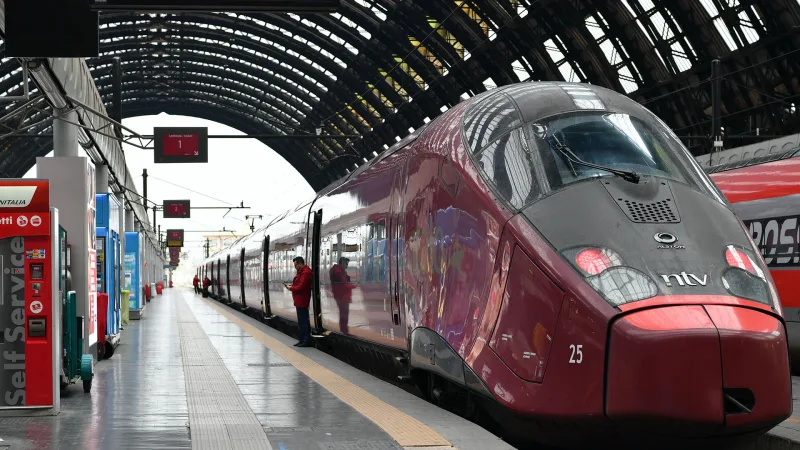
Frequently Asked Questions
Do I need a visa to visit Italy?
Italy follows the Schengen Area's entry rules. Some non-EU travellers can visit without a short-stay visa, while others must obtain one before departure. Eligibility depends on nationality, travel documents and the purpose of the visit. For most eligible short stays, the limit is 90 days within any 180-day period across the Schengen Area, not just Italy. Check the Italian Ministry of Foreign Affairs' official visa information before booking.
Do I need ETIAS to travel to Italy?
As of 14 October 2026, ETIAS is not yet operational and applications are not being accepted. It is a planned EU travel-authorisation system for eligible visa-exempt visitors, separate from a Schengen visa. Italy already participates in the EU Entry/Exit System, which records applicable non-EU short-stay travellers at external borders. Because ETIAS is expected to begin operating later in 2026, check the official EU website before your departure for the confirmed launch date and requirements.
Is it easy to travel around Italy without a car?
Yes, especially when visiting Rome, Florence, Milan, Venice, Naples and other well-connected cities. High-speed and regional trains make many routes convenient, while local buses, trams and metros provide onward connections. A car becomes more useful when exploring rural villages, countryside accommodation or places with limited public transport. Historic city centres can be difficult for drivers because of parking restrictions and ZTL restricted-traffic zones. Choose your transport based on the places you actually plan to visit.
Do train tickets need to be validated in Italy?
It depends on the train and ticket type. Trenitalia's ordinary paper regional tickets generally need validation at a station machine before boarding. Current Trenitalia digital regional tickets, however, validate automatically at the scheduled departure time, without a separate check-in step. High-speed tickets have their own booking and validity conditions. Always follow the instructions printed on your ticket or displayed in the official booking service. Travelling without a properly valid ticket can result in a penalty.
Can I pay by card everywhere in Italy?
Cards are widely accepted at hotels, restaurants, shops and attractions, especially in cities. However, keeping some euro cash is sensible for smaller purchases, markets or businesses with limited payment facilities. ATMs are common, but your bank and the machine operator may charge fees. Check whether a restaurant includes a cover charge or service charge, and review exchange rates before accepting an offer to convert a card payment into your home currency.
What electrical plug adapter do I need for Italy?
Italy uses Type C, Type F and Type L sockets, with a standard nominal supply of 230 volts at 50 hertz. The Italian Type L socket has three round pins in a straight line, and not every socket accepts every European plug. A suitable universal adapter is useful for international visitors. Check the voltage label on your electronic devices before connecting them. A simple plug adapter does not change the electrical voltage.
When is the best time to visit Italy?
Spring and early autumn are often comfortable for sightseeing in cities such as Rome, Florence and Venice. Summer is popular for beaches and coastal holidays, but temperatures and crowds can be intense. Winter is suitable for skiing in the Alps and exploring some cities with fewer visitors, although weather and opening schedules vary. Italy's climate differs considerably between the north, south, mountains and islands, so choose your travel period around the regions you plan to explore.
Is there an entrance fee to visit Venice?
Venice operated a day-visitor access-fee trial on selected dates in 2026, but that trial ended on 26 July 2026. As checked on 14 October 2026, the city is not currently collecting the fee. Future arrangements depend on decisions by the Municipality of Venice. If you're planning a later trip, check the official Venice Access Fee website rather than relying on older advice or third-party payment sites. Accommodation taxes and attraction tickets are separate matters.
Can I use my existing mobile SIM card in Italy?
Often, yes, but the cost depends on your mobile provider and home country. Travellers with eligible EU or EEA mobile plans can generally use Roam Like at Home arrangements, subject to fair-use rules. Visitors from elsewhere should compare international roaming with local prepaid SIM and travel eSIM options. Before leaving, check device compatibility, available data, activation requirements and coverage for any remote or mountainous destinations on your itinerary.
What should I do in an emergency in Italy?
Call 112 for emergency assistance involving police, ambulance or fire services. The number is free and connects callers with the appropriate emergency response service. If you're affected by severe weather, an earthquake or another local hazard, follow instructions from the authorities and your accommodation provider. Keep your passport details, emergency contacts and insurance information accessible. In crowded visitor areas, take reasonable precautions against theft and use official transport services.

 United Kingdom

 Germany

 Switzerland

 France